The INEQE Safeguarding Audit is a major part of the Church of England’s national commitment to strengthening safeguarding culture, practice, and accountability across every diocese, cathedral, and palace.

Take part in the Safeguarding Survey
Bishop Sophie welcomes this opportunity:
"This year is a very important year for the Diocese of Coventry in terms of our safeguarding, because we are facing our INEQE audit. This is not simply an inspection; this is a process to help us to be the very best we can be in terms of our safeguarding practice. It's vital that everybody gets the opportunity to take part and all voices are welcome. It's not about catching us out, it’s making sure that the love of Christ can be shared across our communities in every way in healthy ways for all ages, everywhere.”
"I do encourage you not to leave it to somebody else, make sure that you have your say."
Diocesan Secretary & Chief Executive, Jacqueline Ladds says:
“I believe this will be a meaningful review of our safeguarding processes and an important opportunity to hear from hundreds of voices from across our diocese. This audit will give us the chance to take note of and celebrate all the important safeguarding work happing in our diocese and the process will culminate in some recommendations for us to further improve our safeguarding practices.”
What will happen and when:
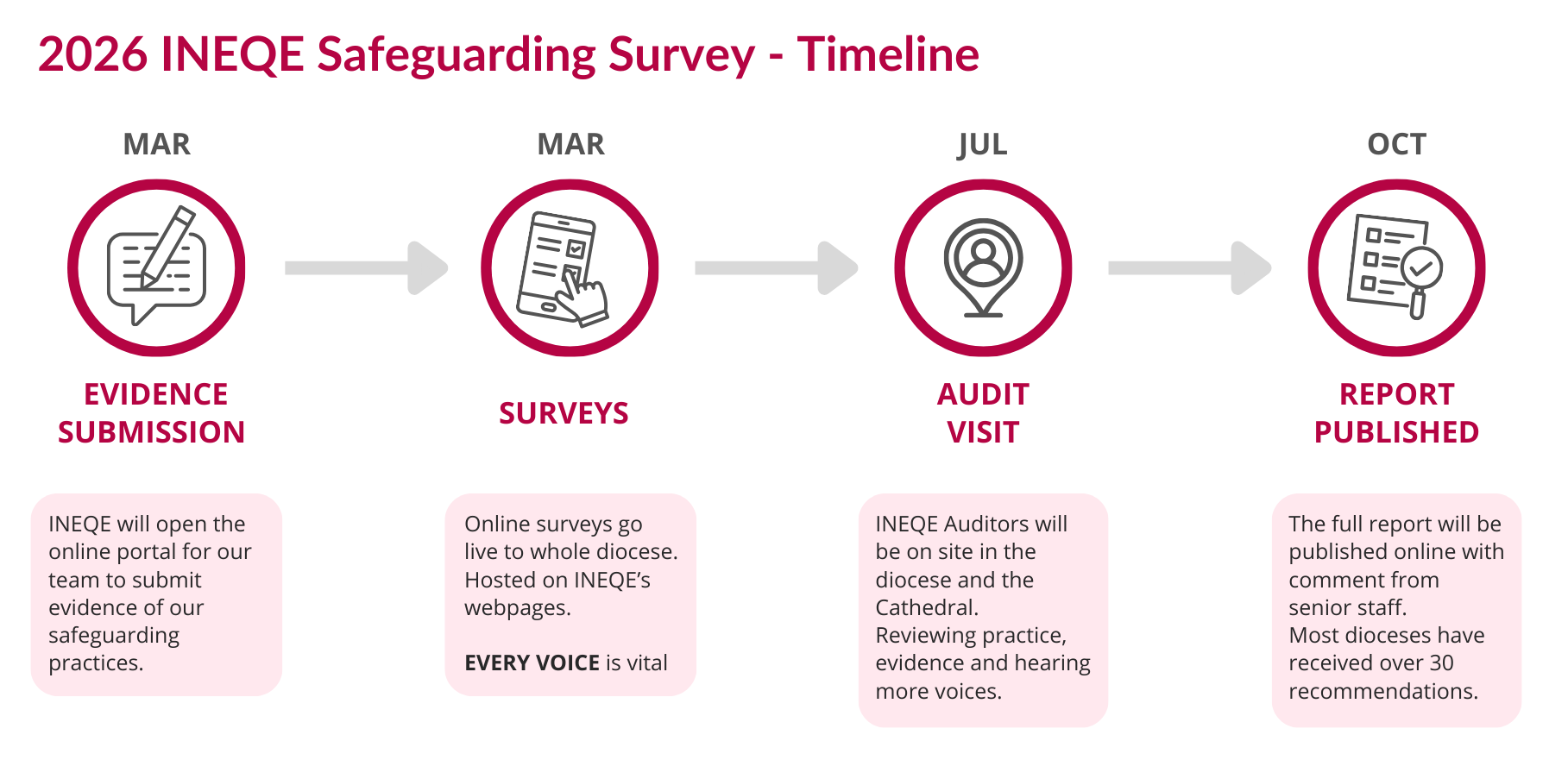
INEQE will choose to speak to some specific people, probably a broad range representatives, people and post holders from across the diocese which they will select. However, a huge part of the audit is captured through the online surveys, which will be open for around 6 to 8 weeks, everyone who wishes to will have the opportunity to share their voice, we're hoping that hundreds will take this opportunity to use their voice.
The Safeguarding Survey
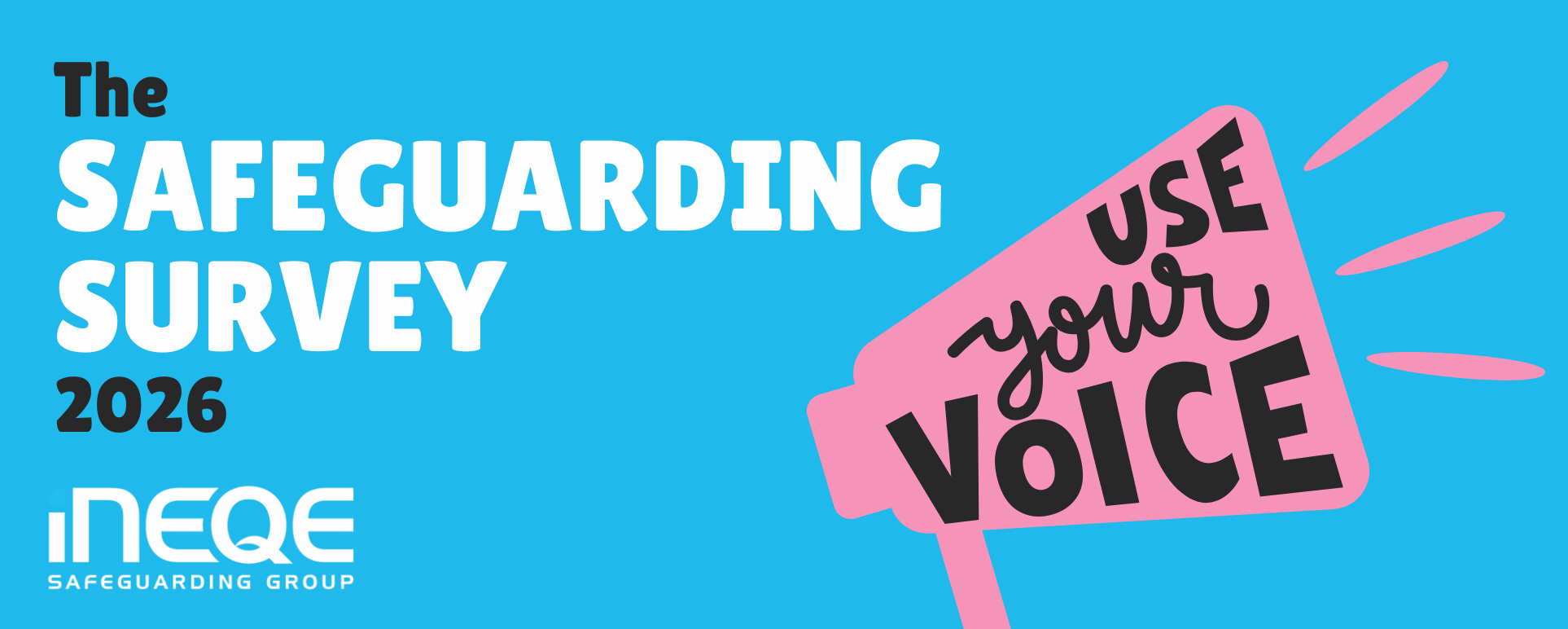
Who will take part:
The short answer is everyone. We want this to be a meaningful review so we are looking as many people as possible to share their voice – this will be hundreds of people.
The auditors have developed seven surveys, tailored to different areas of the diocese:
- Parish Community
Including parishioners, worshippers, or attendees of other activity within our parishes. - Parish Workforce
Including clergy, church officers, parish staff, volunteers, choristers or bell ringers. - Victims/survivors
of church-related abuse - Children and Young People
- Cathedral Workforce
Including Chapter, clergy, staff, volunteers, choristers, or bell ringers. - Cathedral Worshipping Community
Including those who have visited, attended services or worshipped at Coventry Cathedral. - Central Team
Including DBF staff, Bishop's House Staff, volunteers and Diocesan Synod.
Everyone is invited to complete a survey for each group that you feel applies to you, you can access all the surveys via one link*.
*The link to surveys will be placed prominently on this webpage once it is made available to us, normally around 4 weeks before the surveys open.
Support Available:
- Setting up the survey in your parish
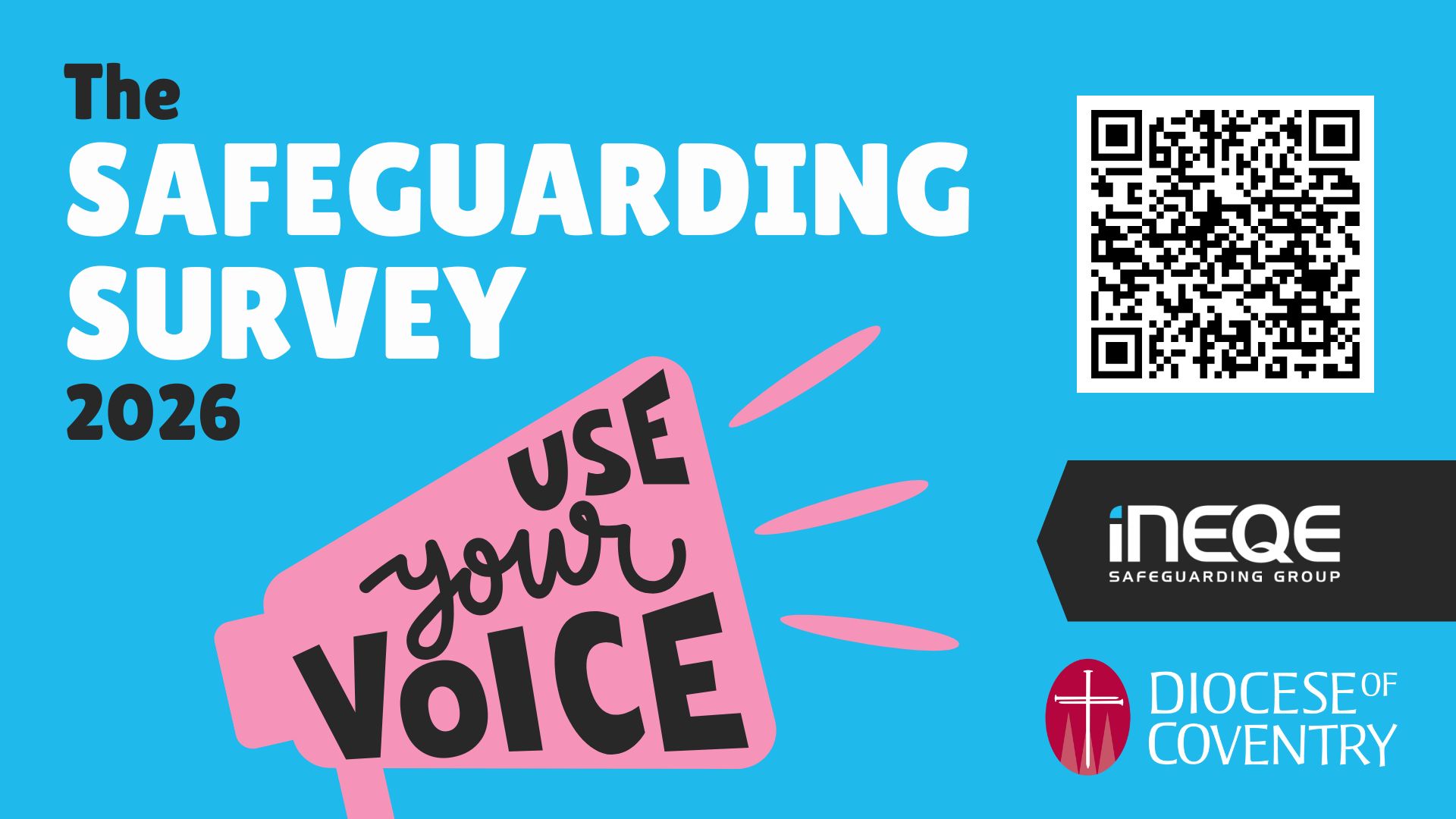
- Download the survey poster
- Download a slide for screens
- Download a presentation for Deanery Synods and team meetings
- Download Bishop Sophie's video to show in meetings and services
- Here's five helpful steps to launching the survey in your Parish
- Tell
Tell people it’s coming several weeks in advance, on notices, screens, pew sheets, using the poster and media resource pack to create awareness. Once it’s live, talk it up everywhere you possibly can. - Teach
Teach about how it’s a gospel imperative to safeguard children and the vulnerable to drive a response to action and why everyone should take part, using clear warm language to encourage people to use their voice - Tend
Tend to specific services, events and groups within the survey window to promote in person-signups. Consider appointing one or two other people to encourage engagement and have someone on hand at an in-person station (posters, QR code, laptop or tablet) - Transform
Use the survey to talk about how this will help us become a safer, healthier more kind church, sharing people’s experiences of things that are working well and areas for development, and improve our listening, engagement and response with victims and survivors - Treasure
Celebrate people and groups who take part, and encourage them to ask others to join in. Consider placing some chocolates at the in-person survey point.
- Tell
- Engaging with the surveys with young people, accessibility challenges or limited internet availability
- We held zoom workshops hosted by the Rev Gareth Irvine and representatives from our safeguarding and comms teams. Options to join a workshop were offered on Wed 11th Feb and Mon 23rd and we're greatful for all those that took part and contributed.
- Read the helpful notes from these sessions which included ideas on supporting people whoes first language isn't English.
- 5 quick tips for ensuring safeguarding is visible in your parish
-
- Visible - Safeguarding posters are clearly displayed in church.
- Contact - 'Who’s who' information for safeguarding – ensure the PSO’s name and contact details are prominent.
- Dashboard - Safeguarding dashboard reviewed and updated at your next PCC meeting
- Agenda - Check safeguarding is meaningfully discussed at key meetings with staff/volunteers.
- Digital - Ensure safeguarding is visible and prominent on the church website
-
- Contact our Safeguarding team or our Comms Team for further support or if you have any questions.
The Diocesan Director of Safeguarding, Sarah Price says:
“Although the idea of an audit can seem quite scary and this is a big piece of work, I am encouraged by the way it has been carried out in other dioceses. I look forward to seeing what recommendations we will receive when our report is finalised and then, working together with our fantastic army of volunteers, PSOs, clergy and central team, implementing them. I’m proud of the huge amount of excellent safeguarding practice which is evident in across our diocese, but I remain keen to hear how we can continue to make our churches safer.”
Why an audit and who are INEQE?
You can find out more about INEQE from their website and from watching their introductory video below:
The independent safeguarding audit programme for the Church of England was commissioned by the Archbishops’ Council and is overseen by the Church of England’s National Safeguarding Team (NST). Led by the INEQE Safeguarding Group and working to a consistent framework, the audits test the sufficiency of safeguarding arrangements within CofE dioceses and cathedrals
All dioceses and cathedrals in the Church of England are being audited, as is the National Safeguarding Team. The Diocese of Coventry will be the eighteenth diocese to be audited.
Read more about the independent safeguarding audit for the whole of the Church of England.
What will happen afterwards?
The reports and action plans from individual diocesan and cathedral audits can be read on the Church of England website. The Coventry audit results will be shared there and on our diocesan website when they are published in the autumn.
The recommendations of the audit will inform our ongoing practice improvement in the same way as previous audits and reviews have. Dioceses and Cathedrals that have already received their reports have typically recieved between 30 and 40 recommendations.