A new national project is identifying churches taking successful action to make their buildings and/or their communities more resilient in the face of increased weather and climate events, and then sharing…
Quick intro: Gathering stories of climate resilient churches (2022)
A new national project is identifying churches taking successful action to make their buildings and/or their communities more resilient in the face of increased weather and climate events, and then sharing findings and solutions through diocesan workshops.
Whilst climate change is often viewed as a future event, it is unfortunately true that all around the world people are already feeling the effects of a changing climate. Whilst our minds might immediately go to the recent drought in Madagascar or flooding in Bangladesh, it is also apparent that climate change is already having a real impact in the UK.
All ten of the warmest years on record have occurred since 2002. Last year saw the wettest February on record resulting in widespread flooding. The wettest day on record was also in 2021, on the 3rd of October. We are also facing an increased number of storm events that will also be more extreme. These climate events and harsh conditions have a negative impact not only on the buildings the church owns, but the communities who live near them and utilise them.
This new national research project focuses on how the Church can cope with these new climate challenges. The work is fully funded by the Natural Environment Research Council, who have funded a researcher from the Tyndall Centre for Climate Change Research in Manchester, Chris Walsh, within the Cathedrals and Church Buildings Division for 12 months.
The good news is that there is already some brilliant work taking place in the Church of England and other heritage organisations and this project aims to support that work and amplify its success across the heritage and church sectors. It also wants to examine the barriers to making these changes and work on ways to minimise and overcome them.
Some of these include St Barnabas’s, Eltham who used their church building as a refuge from the heat or Snaith Priory Church which became the community hub and crisis centre during recent floods or the many churches like St Marys Primrose Hill that use their space to offer shelter to those who cannot escape from the cold of winter. The research will help to educate, motivate and empower others to take actions that will not only protect their ministry but enhance it, through supporting community resilience.
Chris Walsh says;
“Climate change is already having massive impacts on our churches and communities, and it will continue to do so in rural churches like St Esprit in Marton where I grew up, to urban churches like where I now live in Salford. This project is only the start of the work the Church of England will be doing around climate resilience and we’d love for you to be involved, please join in with one of our workshops to learn more and contribute to the guidance we are producing”
The Sponsor a Shelf scheme by Stratford-upon-Avon Foodbank invites local businesses, offices, cafes, and shops to support emergency food supplies for £50 a month. The PCCs of Snitterfield and Bearley agreed to support this initiative and are now proud shelf sponsors.
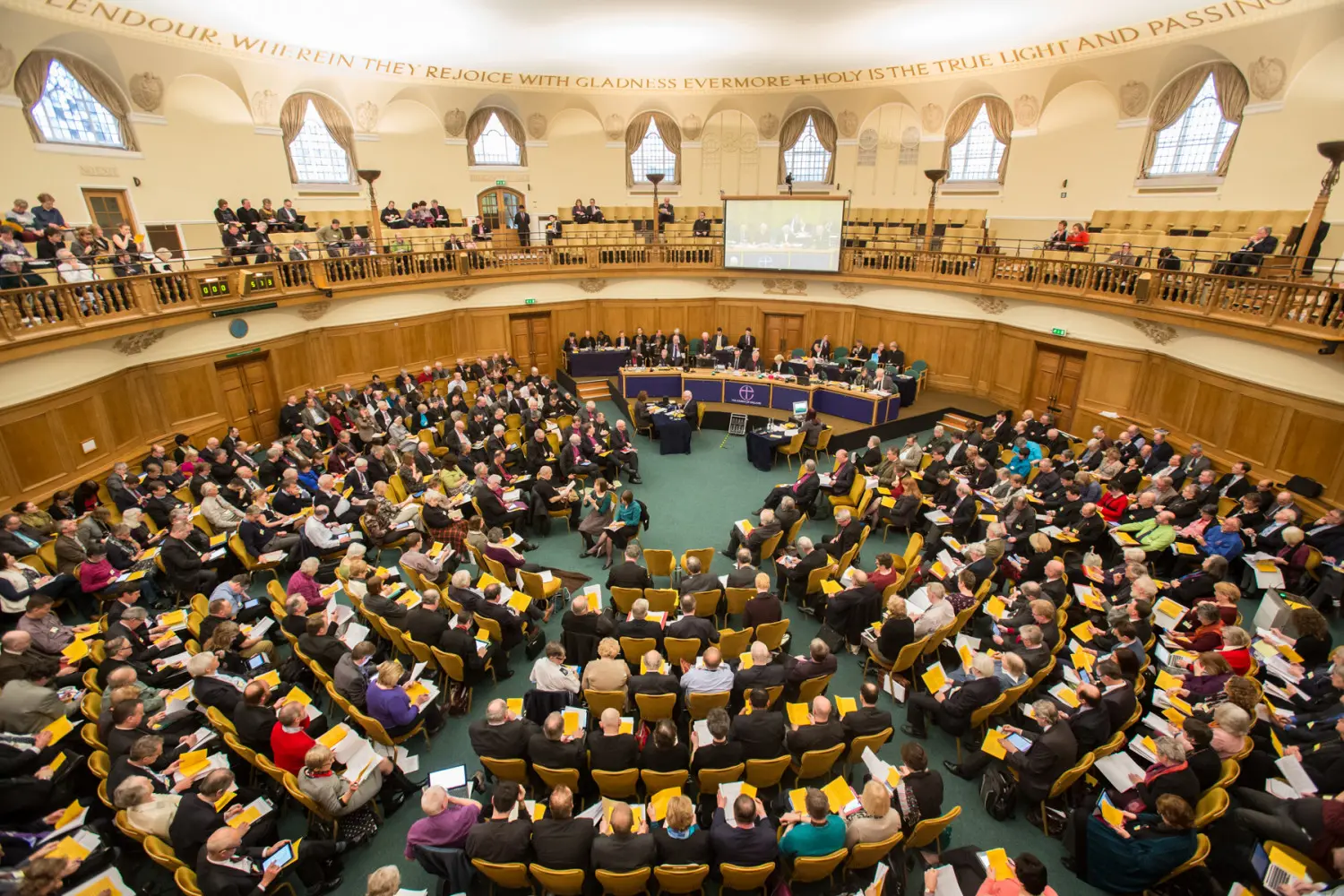
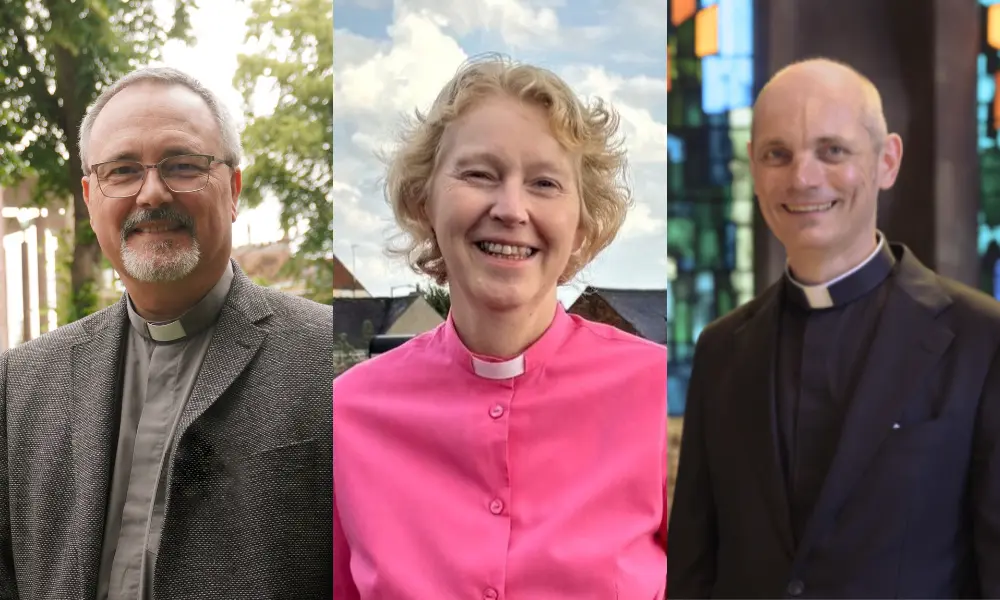
Following the electronic count on 14 October, six people have been elected to stand for General Synod from across the diocese. Three people have been elected to stand in the House of Laity and a further three people will stand in the House of Clergy.
The Bishop of Coventry, the Right Reverend Sophie Jelley, recently led a special Choral Evensong service to celebrate the rededication of the Becket Chapel at Holy Trinity Church in Stratford-upon-Avon.
Join Coventry Cathedral for an extraordinary 24 hours of music as performers from across the city and beyond come together…
Manage Consent
To provide the best experiences, we use technologies like cookies to store and/or access device information. Consenting to these technologies will allow us to process data such as browsing behavior or unique IDs on this site. Not consenting or withdrawing consent, may adversely affect certain features and functions.
Functional
Always active
The technical storage or access is strictly necessary for the legitimate purpose of enabling the use of a specific service explicitly requested by the subscriber or user, or for the sole purpose of carrying out the transmission of a communication over an electronic communications network.
Preferences
The technical storage or access is necessary for the legitimate purpose of storing preferences that are not requested by the subscriber or user.
Statistics
The technical storage or access that is used exclusively for statistical purposes.The technical storage or access that is used exclusively for anonymous statistical purposes. Without a subpoena, voluntary compliance on the part of your Internet Service Provider, or additional records from a third party, information stored or retrieved for this purpose alone cannot usually be used to identify you.
Marketing
The technical storage or access is required to create user profiles to send advertising, or to track the user on a website or across several websites for similar marketing purposes.